Skilled Electrical Contractor Solutions for Any Need
Experienced electrical contractor solutions address a diverse range of demands within residential and commercial industries. These experts guarantee compliance with safety regulations and boost performance efficiency. Covering installations to energy conservation, their expertise is essential for reducing risks and preventing costly errors. Understanding the complexities of local codes additionally solidifies their worth. However, navigating the engagement and selection procedure can prove complex, raising important questions about selecting the appropriate contractor for particular requirements.
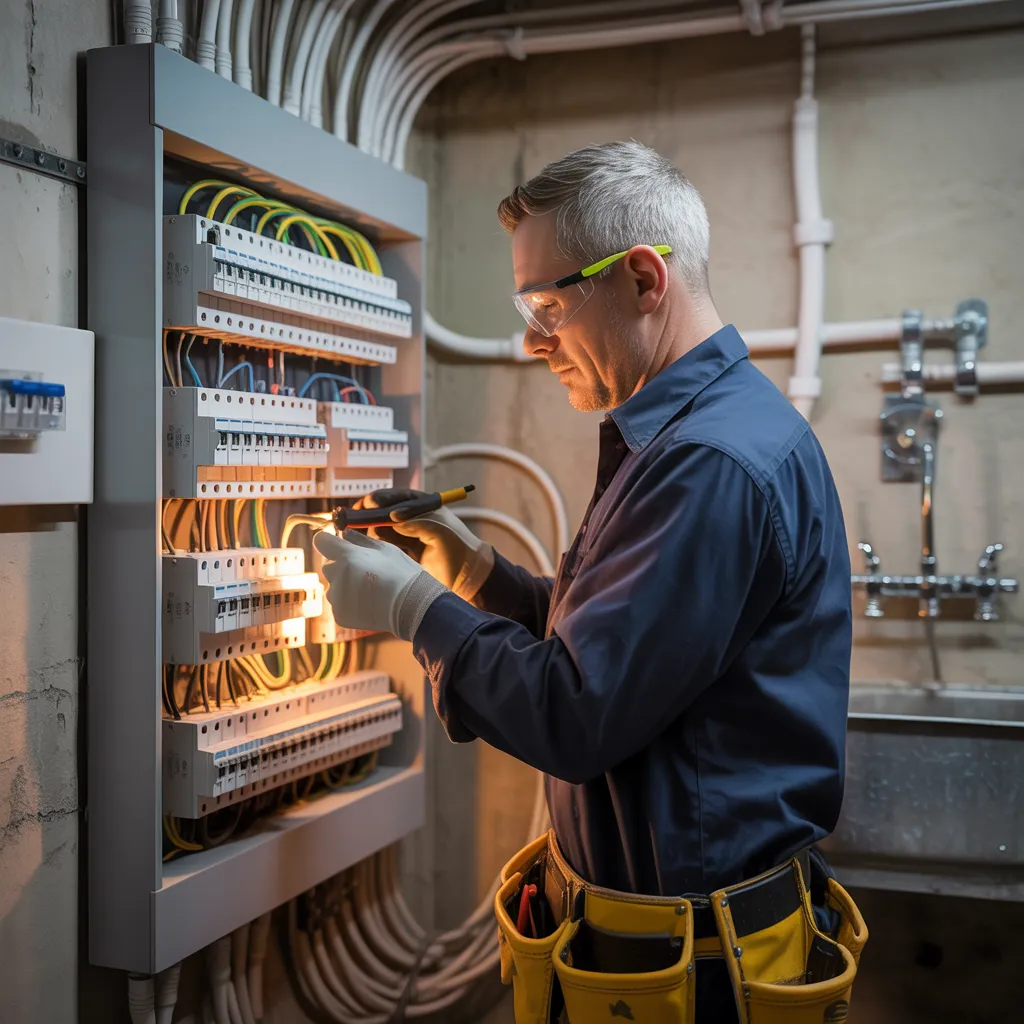
Why Hiring a Skilled Electrical Contractor Is Crucial
Retaining a competent electrical contractor can profoundly affect the protection and functionality of a property's electrical system. These skilled professionals maintain the vital expertise and experience to ensure that all electrical installations complies with regional codes and guidelines. This adherence lowers the potential for dangers like electrical fires, electrocution, and equipment breakdown. In addition, a competent specialist can assess the specific electrical requirements of a property, providing bespoke solutions that strengthen efficiency and results.
In tandem with security, retaining an expert can avert expensive errors that regularly result from do-it-yourself efforts or hiring unlicensed individuals. Their competence facilitates timely project completion without compromising standards. Additionally, a trusted professional generally provides warranties and assurances, offering assurance to property owners. Ultimately, the decision to hire a qualified electrical contractor is not merely about practicality; it is a significant investment in the long-term safety and dependability of a property's electrical system.
Well-known Power Services Given by Contractors
A comprehensive selection of electrical offerings is typically supplied by contractors to meet varied client needs. These provisions consist of home electrical wiring, where service providers set up and service electrical networks in properties, ensuring protection and accordance with building codes. Commercial electrical installations involves implementation and fixes in corporate spaces, emphasizing effective energy utilization and stable performance.
Moreover, contractors present lamp installation and modernization, boosting both aesthetics and functionality in various spaces. They also specialize in troubleshooting and repairing electrical faults, managing issues like intermittent lighting or circuit overloads.
Furthermore, energy efficiency assessments are conducted to assist clients with reducing energy usage and minimizing utility costs. Contractors frequently aid in the setup of smart home systems, adopting technology for advanced management and user-friendly operation. Finally, emergency electrical services are available to manage emergency concerns, confirming that clients secure quick assistance when necessary.
Reviewing Electrical Contractor Credentials
Evaluating the qualifications of an electrician is essential for ensuring quality and safety in electrical work. Important factors include the required permits and qualifications, thorough insurance and liability protection, and a proven history of expertise. These components in aggregate provide a basis for appraising the contractor's trustworthiness and expertise.
Licensing And Qualifications Mandatory
Licensing and certifications act as important markers of an electrical contractor's competence and conformity to industry standards. Every region sets unique licensing requirements that contractors must fulfill, often including a mixture of education, training, and experience. Certifications from established organizations further confirm a contractor's expertise in defined areas such as residential, commercial, or industrial electrical work. These credentials not only ensure adherence with local regulations but also signify a focus to safety and professionalism. Clients should review these credentials prior to hiring, as licensed contractors usually have more knowledge of current codes and best practices. In the end, proper licensing and certifications bolster consumer confidence and aid in the successful completion of electrical projects.
Coverage And Liability Insurance
Insurance and liability coverage are critical components when evaluating the qualifications of an electrician. These protections ensure that both the service provider and the customer are safeguarded against potential accidents. A competent electrical contractor should have general liability insurance, which protects against property damage or harm that may happen during the project. Additionally, workers' compensation insurance is essential, as it shields against on-the-job harm sustained by staff members. Clients should verify that the service provider's coverage is up-to-date and sufficient to account for the scope of work. This not only reduces financial risk but also demonstrates the service provider's commitment to professionalism and safety. Ultimately, comprehensive protective insurance and liability protections serve as signs of a trustworthy and accountable electrical contractor.|Insurance and financial protection are vital elements when reviewing the qualifications of an electrician. These safeguards ensure that both the contractor and the customer are protected against possible mishaps. A competent electrical contractor should possess comprehensive liability coverage, which covers property damage or harm that may occur during the project. Additionally, employee injury coverage is crucial, as it protects against on-the-job harm incurred by staff members. Customers should confirm that the contractor's coverage is up-to-date and sufficient to account for the scope of work. This not only reduces monetary exposure but also reflects the contractor's commitment to safe practices and professional standards. Ultimately, comprehensive insurance and liability coverage serve as indicators of a trustworthy and accountable electrician.|Insurance and responsibility protection are critical elements when evaluating the qualifications of an electrician. These safeguards guarantee that both the contractor and the client are protected against potential accidents. A qualified electrician should have comprehensive liability coverage, which protects against structural harm or injuries that may occur during the job. Additionally, workers' compensation insurance is crucial, as it shields against workplace injuries sustained by employees. Clients should verify that the contractor's coverage is current and sufficient to account for the extent of the project. This not only reduces financial risk but also demonstrates the service provider's commitment to professionalism and safety. Ultimately, comprehensive insurance and liability coverage act as signs of a trustworthy and accountable electrical contractor.
Expertise And Documentation
Experience serves as a cornerstone in evaluating the credentials of an electrical contractor. A contractor's track record of completed projects shows their ability to execute various electrical tasks, from residential installations to complex commercial systems. Potential clients should examine the contractor's portfolio, searching for evidence of successful projects that align with their specific needs. Additionally, years in the industry often suggest a deeper knowledge of regulatory requirements and safety standards. Client testimonials and reviews can deliver insights into reliability and customer satisfaction. Certifications and licenses further validate a contractor's expertise, showcasing ongoing education and adherence to industry standards. Ultimately, a robust track record supports informed decision-making, ensuring clients select a contractor capable of delivering quality work consistently.
Electrical Contractors and Their Role in Home Upgrades
Across the complex choreography of home remodeling, electrical contractors serve as key players, guaranteeing that every wiring and lighting choice improves both security and visual appeal. Their expertise is vital in designing and implementing electrical configurations that comply with building codes and regulations. From setting up power-saving illumination to carefully positioning outlets, these professionals ensure usability and ease throughout the home.
Moreover, electricians inspect present infrastructure, determining necessary upgrades or repairs that boost comprehensive energy performance. This not only reduces utility costs but equally encourages a more sustainable living environment. They interact closely with additional skilled professionals, synchronizing their projects with plumbing systems, carpentry tasks, and design aspects to construct a cohesive renovation plan.
Ultimately, the involvement of electrical contractors learn the facts is crucial for converting a house into a secure, fashionable, and contemporary home, underscoring their importance in any successful renovation project.
Electrical Contractor Solutions for Commercial Spaces
For commercial spaces, electrical contractors perform a critical role in putting in place reliable electrical infrastructure and resource optimization systems. These solutions not only strengthen operational efficiency but also result in cost savings over time. By focusing on innovative electrical designs, businesses can adjust their energy consumption and improve overall functionality.
Efficient Electrical Cabling Installations
Efficient wiring setups are essential for optimizing performance and safety in commercial spaces. A well-planned wiring system improves electrical performance while minimizing the threat of dangers. Expert electrical contractors evaluate the unique requirements of each facility, guaranteeing that wiring is customized to accommodate various uses, from lighting to heavy machinery. By utilizing premium materials and conforming to industry standards, they minimize upkeep issues and extend the life expectancy of electrical systems. In addition, effective wiring designs facilitate future improvements and extensions, enabling businesses to adapt to changing technological demands. Ultimately, committing resources in efficient wiring setups not only boosts operational productivity but also adds to a safer working environment, advancing overall productivity and peace of mind for both employers and employees.
Energy Management Systems intended to increase system performance and lower utility expenses
Improving electrical systems goes past just proper wiring; it also involves adopting energy management systems (EMS) that boost energy efficiency in commercial spaces. EMS solutions deliver real-time monitoring and control over energy usage, helping businesses to spot usage trends and minimize waste. By integrating cutting-edge technologies, like smart meters and automated controls, EMS can greatly reduce operational costs while fostering sustainability. Electrical contractors have an important role in planning and implementing these systems, making sure they satisfy specific commercial requirements. With customized EMS solutions, businesses can achieve higher energy efficiency, follow regulations, and improve their overall operational performance. Utilizing an EMS not only enhances the bottom line but also supports a greener environment.
How to Share Your Project Needs With Construction Professionals
Clearly expressing project requirements is essential when collaborating with electrical contractors. Clients should start by defining the project scope, detailing the type of work required, whether it's new installations, upgrades, or fixes. Providing comprehensive information helps contractors grasp expectations and required resources.
Additionally, stakeholders should relay their budget constraints and timelines. Sharing these parameters allows service providers to present feasible options and timeframes. It is also beneficial to explore any distinct preferences for components or methodologies, as well as any applicable legal or safety considerations.
Visual aids, such as diagrams or photos, can better improve understanding. Encouraging transparent communication fosters a collaborative atmosphere, enabling contractors to ask clarifying questions and suggest alternatives. Finally, establishing a primary point of contact guarantees smooth coordination throughout the project. By following these guidelines, clients can effectively share their needs, leading to successful project outcomes.
What You Should Understand About the Electrical Service Timeline
What can one anticipate during the electrical work phase? Initially, the electrical contractor will execute an evaluation of the project needs, addressing the scope and any unique challenges. Following this, they will provide a detailed estimate, outlining pricing and timelines. Once the understanding is in place, the electrician will plan the work and acquire any necessary permits.
During the real project, one can expect clear communication regarding progress and possible interruptions. The contractor will guarantee safety procedures are adhered to, minimizing risks to both workers and residents. As the project progresses, assessments may occur to verify compliance with local codes.
Following completion, the contractor will execute a final walkthrough, addressing any concerns and guaranteeing all systems operate correctly. Finally, they will furnish documentation, including warranties and maintenance tips, making certain that the homeowner is well-informed about their new electrical installations. This meticulous process aims to deliver solid and effective electrical solutions.
Common Asked Questions
What Does It Cost to Bring On an Professional Electrician on Average?
The typical price of employing an electrical contractor generally falls from $50 to $100 per hour, depending on the project's complexity and location. Flat fees for specific tasks may also be available, differing significantly.
What Duration Do Typical Electrical Jobs Need to Be Completed?
Common electrical task timeframe changes, often spanning a few hours to numerous days, influenced by the project's complexity. Considerations including the installation category, current electrical infrastructure, and professional expertise influence completion time.
Is Licensing Required for Electrical Contractors Across All States?
Electrical professionals generally must secure a license in most states, confirming they meet particular training and experience criteria. However, licensing requirements can differ significantly, so it's essential to check regional requirements for reliable information.
Is It Possible for Me to Handle Any Electrical Tasks Myself?
People can undertake some minor electrical work themselves, such as updating outlets or light fixtures, but must observe local codes. For complex tasks, hiring a licensed professional is sensible to guarantee safety and compliance.
What Precautions Ought to I Implement if an Electric Emergency Occurs?
If there is an electrical emergency, you should right away switch off the power at the circuit breaker, steer clear of any live wires, and reach out to a professional electrician for help to ensure safety and appropriate resolution.